
Rocky Point & Long Island Orthodontics
Surgical Orthodontics in Rocky Point, NY
IT'S NEVER TOO LATE
When Braces Alone Aren't Enough.
Surgical orthodontics combines orthodontic treatment with corrective jaw surgery to fix structural issues that braces or aligners can’t address on their own. When the upper and lower jaws don’t align properly, it can cause difficulties with chewing, speaking, breathing, and sleeping. Correcting the underlying structure can dramatically improve both your daily comfort and your long-term oral health.
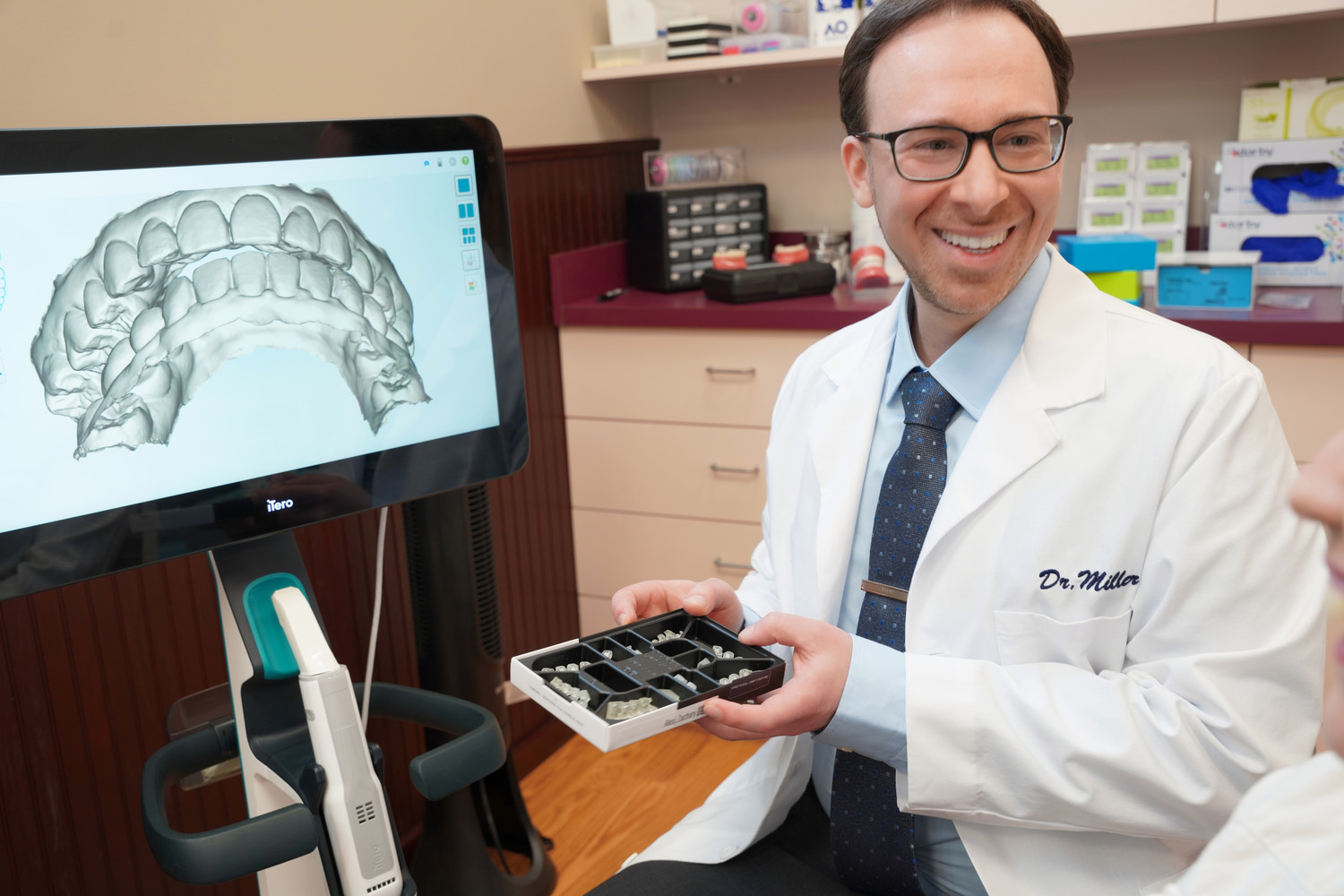
At Long Island Braces, we use digital imaging and computerized treatment planning to map out every stage of your care before anything begins. You’ll have a clear understanding of what treatment involves, how long it will take, and what kind of results to expect.
How Surgical Orthodontics Works
Surgical orthodontics brings together orthodontic treatment and corrective jaw surgery to address issues that go beyond tooth alignment. When the jaw itself is the problem, whether it’s too far forward, too far back, too narrow, or asymmetric, braces alone can’t fully correct it. Surgery repositions the jaw so the teeth and bite can function the way they’re supposed to.
We use digital imaging and computerized treatment planning to map out the full course of treatment before anything begins. This technology allows us to minimize treatment times, plan recovery periods more accurately, and improve the overall effectiveness of the procedure.
Modern surgical techniques use materials like titanium plates and miniature screws to stabilize the jaw during healing. These advances have significantly reduced recovery times compared to older approaches, allowing most patients to return to their normal routines sooner than they might expect.
Why Surgical Orthodontics Might Be Recommended
We may recommend a surgical approach when the issue goes beyond tooth position and involves the structure of the jaw itself. Abnormalities in the facial bones, particularly the jaws and teeth, can cause real difficulties with everyday activities like eating, speaking, and sleeping. Surgical orthodontics addresses these problems at the source.
Fixes severe underbites, overbites, crossbites, and jaw size issues
Easier chewing, clearer speech, and better sleep
Improves your appearance by correcting jaw structure
Protects your teeth, gums, and joints for years to come
Who is a Candidate for Surgical Orthodontics?
Surgical orthodontics is typically recommended for patients whose jaws have finished growing, usually around age 16 for women and 18 for men. It’s most often considered for patients with significant structural issues like an undersized jaw, a crossbite, or a pronounced overbite or underbite that affects daily function.
Common signs that a surgical approach may be needed include difficulty chewing or biting, chronic jaw discomfort, trouble breathing or sleeping, and a noticeable imbalance in facial proportions. Many patients have dealt with these issues for years without realizing that a corrective option exists.
The best way to find out whether surgical orthodontics is right for you is to come in for a consultation. We’ll evaluate your teeth and jaw, explain what treatment would involve, and give you a clear picture of what to expect so you can make an informed decision at your own pace.
Patient experiences
Hear it from real patients
Walking into an orthodontist's office can feel intimidating, especially for the first time. We hear that a lot from new patients. We also hear that the reality is nothing like what they expected. Here's what families across Long Island have to say about their experience at our office.
Dr. Miller and his staff are by far the kindest and most professional in the business. They put any concerns to ease immediately.
Such a pleasure, from Lori Ann at the front desk to Dr. Miller himself. Kind, compassionate, and they really take the time to care for patients.
Dr. Miller and his staff are extremely friendly, informative, and helpful. They made my Invisalign experience completely seamless.
Dr. Miller was so kind, and his assistant speaks Spanish, my first language. That made me feel much more comfortable. Excellent staff!
My daughter needed emergency treatment and he took her right away. The office is inviting and his bedside manner was impeccable.
From the beginning they made me feel comfortable and well informed at every step. Dr. Miller's attention to detail is incredible, and my results speak for themselves.
Wonderful staff and a clean, inviting environment. Dr. Miller went above and beyond to make sure I was happy. I hope to be a lifelong patient!
What a great experience. The staff are friendly, professional, and work with your financial needs. Dr. Miller went above and beyond.
Love the family atmosphere. I'd recommend this place to anyone nervous about getting braces. They go above and beyond to make you comfortable.
Amazing experience! The staff is so welcoming and kind, and my smile has never looked better.
Good to Know
Questions? We've got answers
Answers to the questions we hear most from new patients, from cost and comfort to what treatment is really like.
Can braces alone fix a jaw problem?
Braces can correct how your teeth line up, but they can't change the size or position of your jaw. When the issue is structural, surgery is the only way to fully correct it. We'll be upfront about whether your case requires surgery or if a non-surgical option can get you where you need to be.
How long does the full treatment take?
From the start of braces through post-surgical finishing, most cases take 18 to 30 months total. The pre-surgical orthodontic phase is usually the longest stretch. We'll map out a realistic timeline during your consultation so you know what to expect from the beginning.
Is jaw surgery painful?
The procedure is performed under general anesthesia, so you won't feel anything during surgery. Recovery involves swelling and discomfort for the first couple of weeks, typically managed with prescribed medication. Advances in surgical techniques have made recovery significantly more comfortable than it used to be.
How long is the recovery?
Most patients return to work or school within two to three weeks. Swelling gradually subsides over the following weeks, and full healing typically takes a few months. Modern materials and techniques have reduced recovery times significantly, allowing patients to get back to their normal routines sooner.
What kinds of problems does jaw surgery correct?
Surgical orthodontics can address a range of structural issues including severe overbites, underbites, crossbites, undersized or oversized jaws, and facial asymmetry. It's also used to improve function in patients who have difficulty chewing, speaking, breathing, or sleeping due to jaw misalignment.
Is jaw surgery covered by insurance?
Corrective jaw surgery is often covered under medical insurance rather than dental since it addresses a functional issue. Coverage varies by plan and diagnosis. Our team can help you understand your benefits before treatment begins so there are no financial surprises.
Still have a question? Give us a call at (631) 744-8400, we're always happy to help.